Flash Sale 70% Off
Give customers details about the banner image(s) or content on the template.
Eczema Diet

What are the best foods for eczema? What the heck are oxalates and salicylates? Should I avoid them to heal my child’s eczema? Are you playing a game of 20 questions in your head surrounding your child’s eczema condition?
If you’re reading this, chances are you’re a parent deeply committed to seeing your child healthy, happy, and free from the discomfort of eczema. Let me tell you, I’ve been there. I know how overwhelming it feels to navigate the maze of dietary advice, conflicting recommendations, and fears about triggering a flare-up. It should be simple—rash-free skin. But the reality can feel impossibly complicated.
Let’s unpack these challenges together and find clarity. My goal today is to empower you with actionable steps and confidence to nourish your child’s body in a sustainable and healing way.
One of the biggest challenges parents face is figuring out which foods to avoid and which ones to embrace. I recently received a question from a listener who was advised to eliminate high-oxalate foods for her child’s eczema. Her reaction? “If we cut out oxalates, there will be nothing left to eat!”
That feeling of suffocation is all too real. As parents, we carry the weight of ensuring our kids’ meals don’t worsen their symptoms. But eliminating entire categories of food isn’t the answer. The key lies in balance, preparation, and variety.
“Instead of fixating on avoiding specific compounds like oxalates and salicylates, prioritize offering a variety of nutrient-dense, whole foods to rebuild your child’s health from the inside out.” -Andra McHugh
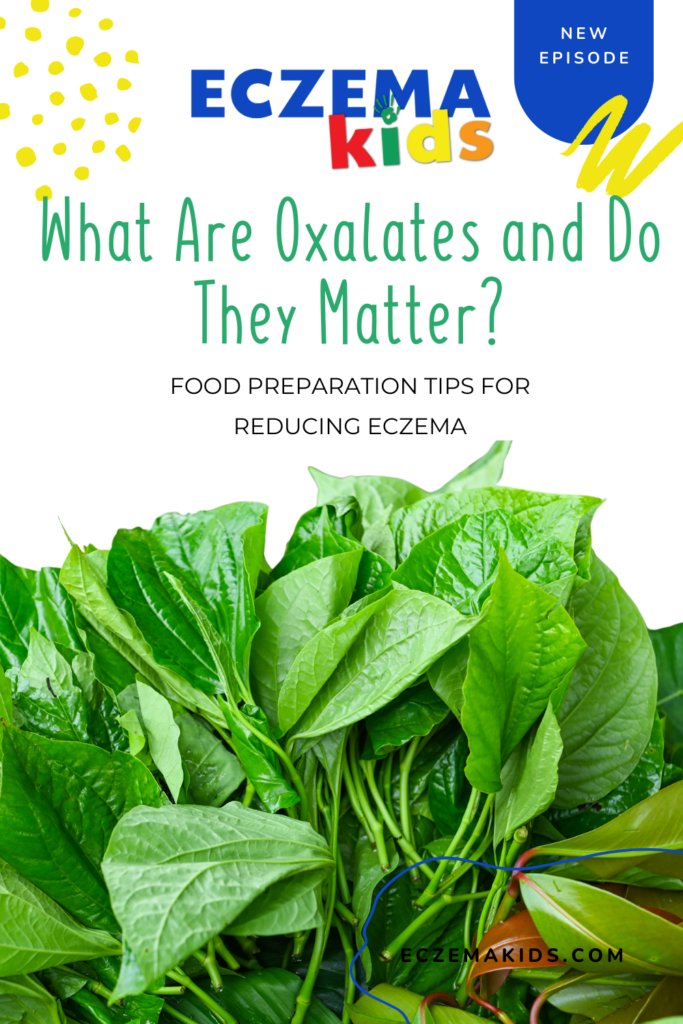
Oxalates are natural compounds found in many plant-based foods, including spinach, beets, sweet potatoes, and even nuts. They bind to minerals like calcium, reducing the body’s ability to absorb these nutrients.
For children with eczema, this can be especially problematic. Many of them already face gut challenges that make nutrient absorption harder. Since calcium is crucial for growing bones, immune function, and healthy skin, we need to be mindful about how oxalates affect their diet.
But here’s the good news: you don’t need to eliminate high-oxalate foods entirely. Instead, focus on proper food preparation and thoughtful combinations to maximize their nutritional benefits.
Rather than avoiding foods like spinach or berries that contain oxalates or salicylates (another plant compound), consider their overall nutrient profiles. Many of these foods are nutritional powerhouses that contribute essential vitamins, minerals, and antioxidants to your child’s diet.
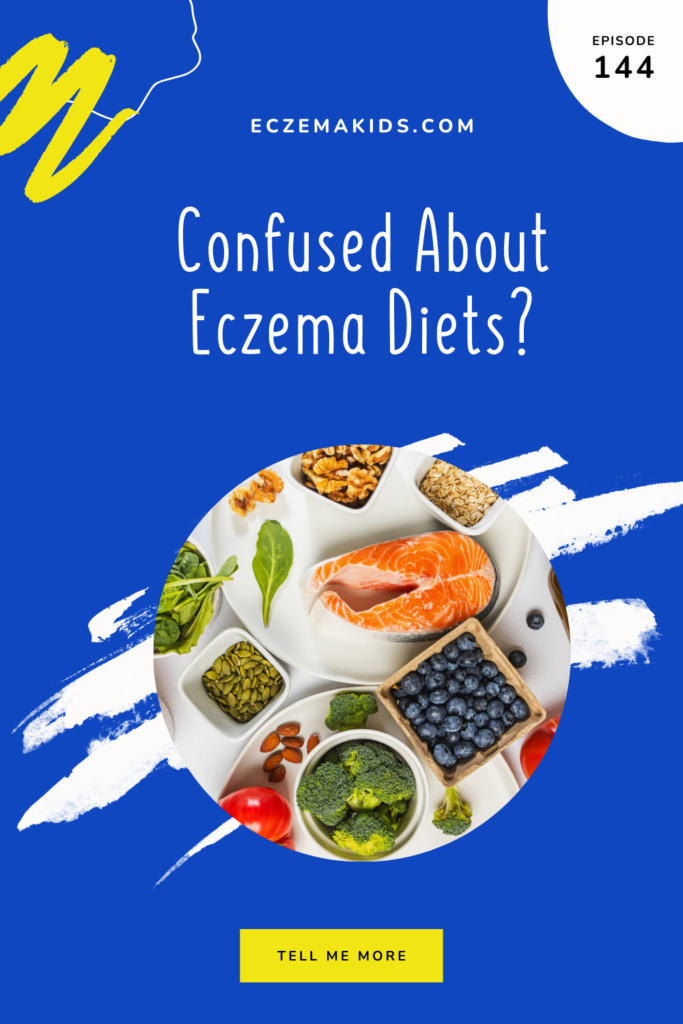
High-calcium, eczema-friendly foods include:
These foods not only support healthy skin but also bolster your child’s immune system and promote overall well-being.
After your child’s bath, pat their skin dry with a 100% cotton towel. The next steps are vital for ensuring Simple cooking techniques can significantly reduce oxalate levels in foods without compromising their nutrients. Here’s how:
Steam or boil vegetables. Light cooking breaks down plant compounds, making nutrients more bioavailable.
Cook spinach before adding it to smoothies. Sauté a large batch, divide it into small portions, and freeze them. This lowers oxalate levels and makes it easy to add a nutrition boost to meals.
Use an Instant Pot to reduce lectins. This is especially useful for beans, legumes, and grains.
Soak nuts and seeds. This step reduces anti-nutrients, making them easier to digest.
Eating a wide variety of foods is essential for maintaining a balanced diet and avoiding sensitivities. Repeatedly consuming the same foods can lead to overexposure and potential allergies. Instead, aim to:
This principle of variety is a cornerstone of the eczema elimination program and a powerful way to prevent sensitivity buildup.
While oxalates and salicylates are common concerns, children with eczema often benefit more from a low-histamine diet. Histamines are natural compounds found in certain foods and the body, but for kids with eczema, they can exacerbate inflammation, itching, and flare-ups.
High-histamine foods to minimize include:
By reducing these foods, you can help target systemic inflammation, a significant driver of eczema symptoms.
Ayurvedic principles of food combining can also support digestion and nutrient absorption. For example:
These adjustments may seem minor, but they can make a big difference in supporting your child’s digestive system and overall health.
Healing eczema isn’t about perfection—it’s about creating sustainable habits that empower you and your child. Here are some practical tips to get started:
I know firsthand how exhausting and overwhelming it can feel to manage your child’s diet while balancing the demands of everyday life. But every small step you take—every thoughtfully prepared meal—builds toward healing.
You are your child’s greatest advocate, and your efforts are making a difference. Remember, this journey doesn’t have to be all or nothing. Healing is possible, and it’s achieved through steady, intentional progress.
If you need support, reach out to me through my website, email, or social channels. I’m here to help you navigate this path and cheer you on every step of the way.
To make this journey easier, I’ve created a free printable with the best eczema-friendly foods for each season. Download it on my website and keep it handy for meal planning.
Feeding a child with eczema doesn’t have to feel like a minefield. With a balanced approach to food preparation, variety, and nutrient density, you can support their body’s natural healing processes. If you’re looking for more ways to support your child nutritionally, check out Understanding Eczema Food Triggers, Allergy-Friendly Protein Sources for Kids and Gut-Healthy Foods To ADD Into Your Eczema Diet.
Why is diet diversity important for kids with eczema?
Diet diversity helps to rebuild and support the gut microbiome, which plays a critical role in immune regulation and skin health. A variety of nutrient-dense foods provides essential vitamins, minerals, and antioxidants to combat inflammation and promote healing.
Should I avoid foods with oxalates and salicylates for my child’s eczema?
While oxalates and salicylates can sometimes be irritants, the focus should be on nutrient density and variety rather than eliminating entire food groups. Restrictive diets may lead to nutrient deficiencies, so it’s better to offer a wide array of foods that nourish and heal.


Helping kids find calmer skin and helping parents find a clearer path forward.
Helping kids find calmer skin and helping parents find a clearer path forward.