Flash Sale 70% Off
Give customers details about the banner image(s) or content on the template.
Eczema Triggers

Really, why does eczema get worse in winter? Winter can be a particularly challenging time for children with eczema. The cold, dry air outside and the warm, dry air indoors create a perfect storm for flare-ups. Let’s dive into why eczema tends to worsen in winter and what you can do to protect your child’s skin during this season.
The outdoor air during winter is cold and dry, stripping your child’s skin of its natural moisture. This alone is harsh, but the heated indoor air compounds the problem by pumping out warm, dry air that dehydrates the skin even faster than the chill outside.
“Winter can feel like a battle when you’re managing your child’s eczema. But it doesn’t have to be. By focusing on deep hydration, breathable layers, and nourishing their bodies with seasonal, anti-inflammatory foods, you’re not just protecting their skin—you’re setting the stage for real, lasting healing.” -Andra McHugh
Most of our time is spent indoors during the winter, surrounded by heaters and furnaces that create a dry environment. This lack of humidity is a significant factor contributing to eczema flares.
Layers of winter clothing can trap sweat or cause irritation, especially if they’re made from synthetic materials or are too tight. These elements combine to make winter a challenging season for eczema-prone skin.
Moisturizing after a bath is essential. Here’s how to do it effectively:
Herbal Oils Before Bathing: Applying an herbal oil before the bath can protect the skin from water loss and infuse nutrients that promote cell regeneration.
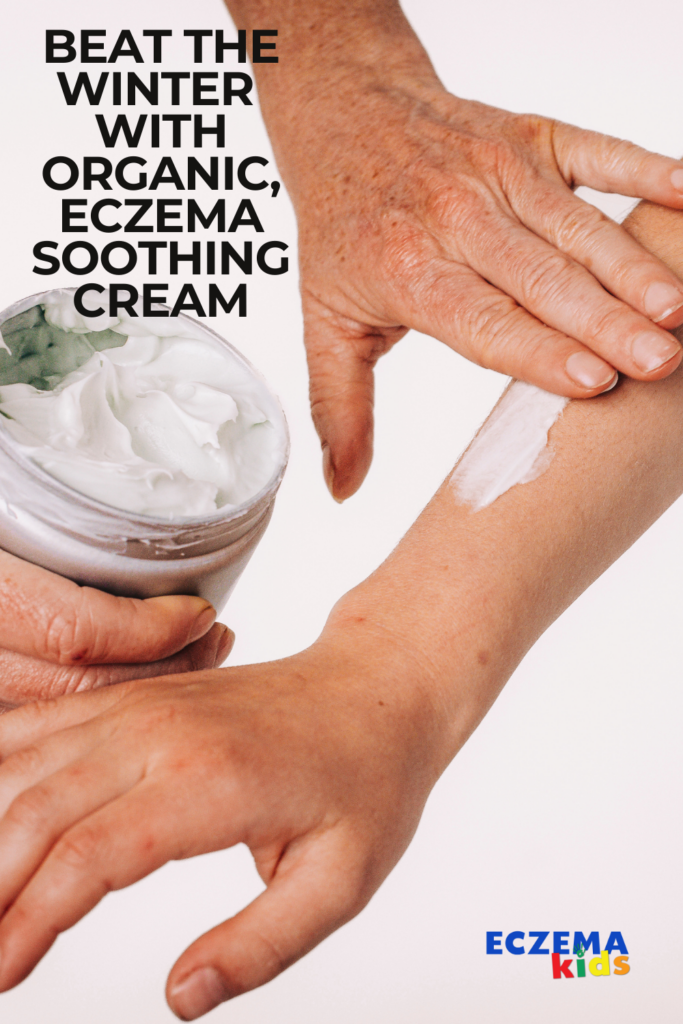
Use an Eczema-Safe Cream: Opt for a rich, tallow-based cream infused with castor oil. These ingredients provide deep hydration and are high in vitamins A, D, E, and K, which help nourish and heal the skin.
Apply Right After Bathing: Pat your child’s skin dry with a cotton towel, then immediately apply Eczema-Soothing cream to lock in moisture.
For severe cases, consider wet wrap therapy. After applying moisturizer, cover the skin with a damp layer of cotton fabric, then add a dry layer on top. This method provides intense hydration and helps calm inflammation.
Start with a breathable cotton layer as the fabric closest to your child’s skin. Avoid synthetic materials like nylon and polyester, which can irritate sensitive skin.
Ensure clothing isn’t too tight to allow the skin to breathe and prevent friction. Comfortable, loose layers are ideal for eczema-prone children.
Despite the cold, outdoor play is essential. Sunshine can help improve sleep and overall well-being, even in the winter. Bundle your child in multiple layers if needed, but prioritize breathable fabrics.
A humidifier can make a world of difference. Aim to keep indoor humidity levels between 40% and 60% to prevent dry air from worsening eczema.
Winter brings a buildup of dust and allergens inside the home. Here are some tips to improve indoor air quality:
Home Air Quality Tests: Consider conducting a home air quality test to identify issues like VOCs or mold. This can help you take targeted action to improve your home environment.
Clean Regularly: Use natural cleaning products to avoid harsh chemicals that can irritate sensitive skin.
HVAC Maintenance: Schedule professional duct cleaning to remove dust, mold, and debris. Skip chemical treatments and opt for manual scrubbing.
Replace Air Filters: Regularly replacing air filters ensures clean air circulation.
The dry, heated air indoors depletes skin moisture. Combat this with hydrating, anti-inflammatory foods:
Winter is the time to focus on warm, moist foods that nourish the body. Think of it as an opportunity to turn inward and strengthen your child’s system. Avoid high-histamine foods like tomatoes and certain spices, as they can exacerbate eczema.
Try a warm quinoa bowl with coconut milk, a drizzle of maple syrup, and a sprinkle of cinnamon and cardamom. It’s a cozy, skin-safe breakfast perfect for winter mornings.
Eczema in winter can feel overwhelming, but with the right strategies, you can manage and even prevent flare-ups. Focus on:
By taking these proactive steps, you’ll set your child up for healthier skin all winter long. Remember, every small change adds up to big improvements. Stay consistent and keep supporting your child’s healing journey.
I hear you! Try Eat Your Sunscreen- Winter Skincare Tips for Eczema-Prone Children, Top 10 Skin-Saving Foods and Safe and Non-Toxic Home Materials for Kids.


Why does eczema get worse in winter?
The cold, dry air outside and the heated, dry indoor air strip the skin of moisture, creating an environment where eczema flares are more likely to occur.
How can I keep my child’s skin hydrated in winter?
Moisturize immediately after baths with eczema-safe creams.Use wet wrap therapy for severe cases.Apply herbal oils before bathing to prevent water loss and promote skin healing.


Helping kids find calmer skin and helping parents find a clearer path forward.
Helping kids find calmer skin and helping parents find a clearer path forward.